
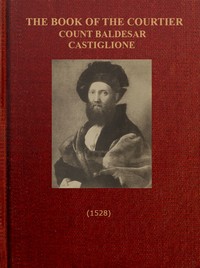
The Book of the Courtier by conte Baldassarre Castiglione
Published in 1528, The Book of the Courtier is a classic of Renaissance literature, but don't let that intimidate you. It's structured as a series of conversations over four evenings at the palace of Urbino. Real historical figures, led by the Duchess Elisabetta Gonzaga, gather to define the perfect courtier—the ideal gentleman or gentlewoman in service to a ruler.
The Story
There's no traditional plot with heroes and villains. Instead, think of it as the world's most elegant brainstorming session. Each night, the group tackles a different aspect of this ideal person. They debate whether a courtier should be born noble or can earn their place through merit. They argue about the best skills: Should he be a master of arms, or a poet? How much should she know about art and music? The conversation gets really interesting when they discuss sprezzatura—a key idea meaning a kind of effortless grace, where all your hard work and skill looks completely natural and unforced. It's about making the difficult look easy. The later discussions shift to the role of women at court and finally to the courtier's ultimate purpose: to guide his prince with wisdom and honesty.
Why You Should Read It
I picked this up expecting a dusty old rulebook, but it's alive with personality and disagreement. You can hear the voices of the different speakers, some serious, some playful. It’s less about following strict rules and more about a philosophy of living well with others. The concept of sprezzatura alone is worth the price of admission. We all know someone who has that cool, capable vibe where they never seem to be trying too hard—this book dissects how that's done (or at least how to fake it!). It’s also surprisingly funny in parts, poking fun at the very social climbing it describes. It made me think about the performance we all put on in social and professional settings, and how those performances have deep historical roots.
Final Verdict
This isn't a page-turner in the usual sense, but it's endlessly fascinating. It's perfect for anyone curious about history, manners, or the art of personal influence. Think of it as a mix between a self-help book, a philosophy text, and a reality TV show set in a palace. If you enjoyed the political maneuvering in Game of Thrones or the social commentary in Jane Austen, you'll find a similar (if more formal) pleasure here. Grab a good modern translation, take it slow, and enjoy stepping into a Renaissance drawing room for the ultimate masterclass in charm.
This title is part of the public domain archive. It is available for public use and education.
Patricia Brown
1 year agoSurprisingly enough, it provides a comprehensive overview perfect for everyone. Highly recommended.
Joshua White
1 year agoRead this on my tablet, looks great.
Michael Lopez
9 months agoTo be perfectly clear, it provides a comprehensive overview perfect for everyone. I learned so much from this.
Paul Clark
9 months agoTo be perfectly clear, the clarity of the writing makes this accessible. One of the best books I've read this year.





Michael Davis
1 year agoHaving read this twice, the narrative structure is incredibly compelling. This story will stay with me.